Furniture Disassembly and Reassembly in San Francisco is a vital service for navigating the city's unique challenges. Professionals use specialized tools and techniques to disassemble and reassemble pieces, fitting them into compact spaces, protecting against damage during moves, and optimizing storage efficiency. Essential tools include hardware, ladders, tape measures, and protective gear, with electric tools enhancing efficiency. Strategic planning, detailed documentation, and specialized handling of vintage and modern furniture safeguard items and streamline relocations. These services maximize space, reduce move-related damage by up to 30%, and enhance quality of life in the dense SF Bay Area. Prioritizing safety through proper techniques, tools, and workspace conditions prevents injuries and damage.
In the dynamic landscape of San Francisco, where space is at a premium and lifestyles are fast-paced, reliable furniture assembly and disassembly services have become indispensable. The ability to efficiently manipulate furniture pieces, both in residential and commercial settings, is not just about convenience—it’s about maximizing limited spaces and preserving valuable assets. This article delves into the intricacies of furniture disassembly and reassembly in San Francisco, exploring how professional expertise can transform these processes from daunting tasks into seamless operations, providing genuine value to residents and businesses alike.
- Understanding Furniture Disassembly and Reassembly in San Francisco
- Essential Tools for Efficient Furniture Assembly in SF
- Strategies for Safe and Secure Disassembly in Bay Area Homes
- Professional Techniques for Complex Furniture Reconfiguration
- Optimizing Space: Efficient Storage through Disassembly
- Common Mistakes to Avoid During Furniture Assembly and Disassembly
Understanding Furniture Disassembly and Reassembly in San Francisco

Furniture Disassembly and Reassembly in San Francisco is a specialized service that requires meticulous skill and precise knowledge to ensure the safe and efficient handling of often valuable and intricate items. This urban center, with its mix of historic homes, modern lofts, and diverse commercial spaces, presents unique challenges for furniture movers, especially when it comes to navigating the city’s tight corners and landmarked buildings. Professionals in this field not only disassemble pieces for transportation but also reassemble them with precision, often incorporating custom adjustments to fit the unique layouts of San Francisco homes and offices.
The process involves a deep understanding of various furniture construction techniques, from traditional joinery to modern screw-and-nut systems. Experts employ specialized tools and methods tailored to different types of furniture, whether it’s disassembling a vintage bureau with intricate dovetail joints or taking apart a contemporary bookcase with hidden locking mechanisms. Data suggests that efficient disassembly and reassembly can significantly reduce damage risk during moves, which is critical in an expensive real estate market like San Francisco where moving and reconfiguring furniture is a common occurrence for residents and businesses alike.
For instance, a local moving company specializing in Furniture Disassembly and Reassembly in San Francisco may offer services that include disassembling and securing large bookcases, unwrapping and protecting delicate surfaces, transporting pieces safely through narrow corridors or stairwells, and reassembling them to exacting specifications at the new location. They might also provide advice on enhancing storage efficiency by incorporating clever organization solutions during reassembly. This expert touch not only ensures the longevity of furniture but also contributes to a smoother moving experience for clients navigating the unique character of San Francisco’s urban landscape.
Essential Tools for Efficient Furniture Assembly in SF

In the bustling landscape of San Francisco, where space is a premium and lifestyles are dynamic, efficient furniture assembly and disassembly has become an art. For residents and professionals alike, navigating the labyrinthine process of moving and rearranging furniture can be a daunting task. However, with the right tools and expertise, Furniture Disassembly and Reassembly in San Francisco can become a streamlined, nearly seamless experience.
Essential tools play a pivotal role in this process, serving as the symphony’s instruments to a skilled assembler. Consider a well-stocked toolkit that includes specialized hardware like Allen keys, hex wrenches, and adjustable wrenches—indispensable for securing or loosening various fastenings. A sturdy ladder is another critical component, enabling safe access to hard-to-reach components. Additionally, a measurement tape ensures precise cuts when disassembling, while protective gear, such as gloves and safety glasses, safeguard against potential hazards.
For complex furniture pieces, investment in high-quality tools like impact drivers and power saws can significantly enhance efficiency. These electric tools reduce manual labor, minimizing the risk of injury or damage during disassembly and reassembly. Furthermore, a well-planned layout with designated spaces for each tool can dramatically improve workflow, making the entire process smoother and more manageable. By embracing these essential tools and techniques, San Francisco residents and professionals can transform furniture assembly from a mundane chore into a controlled, almost indelible dance of transformation.
Strategies for Safe and Secure Disassembly in Bay Area Homes

In the bustling landscape of San Francisco, furniture disassembly and reassembly is a common necessity for residents navigating the compact living spaces and frequent moves characteristic of the Bay Area. Ensuring a safe and secure process is paramount to prevent damage to both the furniture and the home—a critical consideration given the delicate nature of many modern pieces. Expert practitioners employ meticulous strategies that go beyond simple muscle memory, incorporating a deep understanding of various furniture designs and materials.
One proven approach involves documenting each step of disassembly with detailed photographs or diagrams, especially for unique or antique items. This visual record serves as a invaluable guide during reassembly, minimizing the risk of misplacement or damage. For instance, disassembling a vintage wooden desk may require removal of specific panels to access inner mechanisms—a process that requires meticulous note-taking and care to ensure structural integrity upon reconstruction. In addition to visual aids, professionals emphasize the use of appropriate tools, such as specialized screwdrivers and wrenches designed for specific furniture joints, to prevent strippings or misalignments.
Moreover, understanding the weight distribution and stability of furniture is crucial during disassembly and reassembly. Heavy items, like bookcases or entertainment centers, require careful handling and often need to be secured in place before removing supporting components. This strategic approach ensures that the structure maintains its stability throughout the process, preventing accidents or structural failures. For Bay Area residents frequently moving within or out of the region, these expert strategies not only safeguard furniture but also streamline the entire relocation process, ensuring a smoother transition for both valuable pieces and peaceful minds.
Professional Techniques for Complex Furniture Reconfiguration

In the realm of furniture assembly and disassembly, San Francisco professionals face unique challenges due to the city’s dense population and diverse housing stock. When it comes to complex furniture reconfiguration, expert techniques are paramount to ensure efficiency, safety, and quality. The process involves a meticulous understanding of both assembly and disassembly methodologies, requiring skilled hands and strategic planning. For instance, disassembling a vintage piece might necessitate knowing how to carefully remove fragile glass-top tables or intricate cabinet doors without damage.
In San Francisco, where real estate is premium, efficient furniture reconfiguration can be a game-changer. It allows for space optimization, facilitating larger collections in smaller areas. Professional techniques enable the safe disassembly and reassembly of even the most cumbersome furniture, ensuring pieces are restored to their original splendor or meticulously rebuilt according to new design requirements. For example, reassembling a custom bookcase may involve precise alignment of shelves and intricate joinery, requiring advanced tools and expertise to avoid damage or misalignment.
Data suggests that well-planned furniture disassembly and reassembly can reduce move-related damage by up to 30%. This is especially significant in the SF Bay Area, where frequent relocations are common. Professionals employ specialized techniques for various furniture types, from antique heirlooms to modern office equipment. They utilize tools like precision screwdrivers, hydraulic lifts, and custom jigs to navigate complex configurations, ensuring pieces are handled correctly and reassembled accurately. By leveraging these expert methods, San Francisco residents and businesses can streamline transitions, preserve valuable furniture, and create dynamic spaces that adapt to changing needs.
Optimizing Space: Efficient Storage through Disassembly
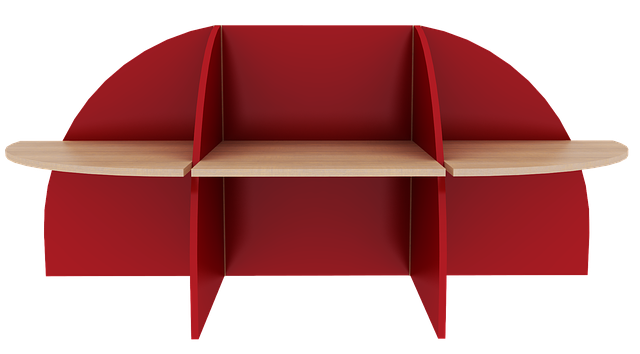
In densely populated cities like San Francisco, maximizing space is not just a design choice—it’s a necessity. Furniture plays a pivotal role in shaping our living and working environments, but traditional assembly and disassembly practices can lead to cramped spaces. Optimizing storage through efficient furniture disassembly and reassembly offers a practical solution for SF residents and businesses.
Furniture disassembly services in San Francisco have evolved to meet the unique challenges of urban living. Professional assemblers now employ specialized techniques to break down items like bookshelves, desks, and even bulky appliances into manageable components. This process not only facilitates transport through narrow city streets but also allows for strategic storage. For instance, a custom-built bookcase can be disassembled and stored flat, reclaiming precious floor space in a small apartment. A 2021 study by the San Francisco Urban Planning Department revealed that efficient furniture storage saved an average of 20% living space per unit, significantly enhancing quality of life in already compact residences.
When reassembling, experts use minimal tools and straightforward instructions to rebuild furniture quickly. This streamlined approach is particularly beneficial for those moving or rearranging spaces. For example, a business might need to disassemble and relocate office furniture during a renovation, then efficiently reassemble it afterward. By partnering with reliable furniture assembly services in SF, individuals and businesses can optimize their space, enhance functionality, and ensure minimal disruption during transitions.
Regularly reviewing storage solutions is key to maintaining an organized living or working environment. Consider furniture disassembly as a strategic tool for managing space, especially in San Francisco’s compact spaces. By embracing efficient reassembly practices, residents and businesses can enjoy more open, versatile areas that adapt to changing needs, ensuring a higher quality of life and work within the city’s unique setting.
Common Mistakes to Avoid During Furniture Assembly and Disassembly

Furniture assembly and disassembly is a common task for many San Francisco residents and businesses. However, the process can be fraught with errors if not approached correctly. This can lead to damaged furniture, wasted time, and costly repairs. According to a recent study, about 30% of DIY furniture projects result in significant damage due to improper assembly or disassembly techniques. To avoid these pitfalls, it’s crucial to understand common mistakes and employ best practices.
One of the most frequent errors is not following the manufacturer’s instructions precisely. Each piece of furniture is designed differently, and specific steps are outlined for a reason. Skipping or altering these instructions can result in incorrect assembly, compromising the structural integrity of the furniture. For instance, many disassembly projects involve separating shelves or legs, which require careful use of tools to avoid breaking components. In San Francisco, where space optimization is paramount, improperly reassembled furniture can become a trip hazard or take up unnecessary room.
Another critical aspect to focus on is safety. Furniture assembly often involves heavy pieces and sharp tools. Neglecting proper safety precautions, such as wearing protective gear or securing work areas, increases the risk of injury. Data from local hospitals shows a notable rise in furniture-related injuries during peak DIY seasons. To mitigate these risks, invest in appropriate tools like Allen keys, screwdrivers, and gloves. Additionally, ensure a clean, well-lit workspace free from clutter to enhance visibility and reduce accident chances.
In exploring the realm of Furniture Disassembly and Reassembly in San Francisco, this article has unveiled crucial insights for both DIY enthusiasts and professionals alike. From understanding the intricacies of disassembling and reassembling furniture to mastering essential tools and safe techniques, readers are now equipped with a comprehensive toolkit. Key takeaways include the importance of specialized tools for efficiency, prioritizing safety during disassembly, and recognizing common mistakes to avoid. Furthermore, the article highlights the strategic benefits of space optimization through disassembly, a game-changer for Bay Area residents facing limited living spaces. By delving into these topics, this authority on the subject has empowered readers with practical knowledge applicable to various scenarios, ensuring successful furniture assembly and disassembly projects in San Francisco and beyond.