
Furniture Disassembly and Reassembly in San Francisco: Essential for efficient, safe moves in compact urban spaces. Experts use specialized tools, tailored techniques for diverse furniture types, and meticulous planning to reduce damage, costs, and protect valuable pieces during transit through the city's unique landscape. Key practices include detailed documentation, creative storage solutions, and seeking professional guidance for complex or antique furniture.
In the dynamic urban landscape of San Francisco, where space is premium and moves are frequent, efficient furniture disassembly and reassembly has become an indispensable skill for both residents and professionals alike. As apartment dwellers navigate complex relocations, the process of dismantling and reconstructing furniture can make or break a smooth transition. This article delves into the intricacies of residential furniture reassembly, offering practical strategies and expert insights tailored to the unique challenges faced in San Francisco’s bustling environment. By mastering these techniques, you’ll ensure a seamless move, preserving your cherished furnishings and saving valuable time and resources.
- Planning for Success: Disassembly Strategies for Apartment Moves
- Understanding Furniture Pieces: A Comprehensive Guide
- Tools Required for Efficient Furniture Reassembly in San Francisco
- Step-by-Step Disassembly: Protecting Your Valuables During Transit
- Efficient Storage and Organization Techniques for Apartment Relocations
- Reassembling with Precision: Restoring Your Space in San Francisco
Planning for Success: Disassembly Strategies for Apartment Moves

Moving apartments presents a unique set of challenges, particularly when it comes to large or complex furniture pieces. In San Francisco, where tight spaces and diverse housing landscapes are common, efficient furniture disassembly and reassembly is not just recommended—it’s often crucial for a smooth transition. Planning for success in these situations requires a strategic approach that considers both the disassembly process itself and the unique considerations inherent to urban living.
Expert furniture movers in San Francisco have developed sophisticated methods for tackling this task, focusing on minimizing damage and maximizing efficiency. Disassembly strategies should always be tailored to each piece and its intended route, taking into account factors like stairs, narrow corridors, or elevators that may restrict movement. A simple dresser, for example, might require disassembling into its base, drawers, and top, while a bookshelf could be deconstructed by removing shelves and doors for easier navigation around turns.
Data from local moving companies suggests that proper planning can significantly reduce the time and cost of moves, with efficient disassembly and reassembly contributing up to 30% in savings. Moreover, it minimizes the risk of damage, a concern that’s especially pertinent in urban environments where housing units often feature older structures or unique architectural details. By employing expert techniques, residents can ensure their furniture is protected during transit, preserving its value and aesthetic appeal for years to come, even as they transition through San Francisco’s dynamic apartment landscape.
Understanding Furniture Pieces: A Comprehensive Guide

In the intricate process of apartment moves, particularly in bustling cities like San Francisco, understanding furniture pieces and their assembly/disassembly is paramount. Furniture disassembly and reassembly isn’t merely about taking apart and putting back together; it’s a nuanced art that requires knowledge of various joinery techniques, tool proficiency, and safety awareness. Each piece, from bookshelves to dining tables, has its unique construction, components, and care requirements. For instance, a handcrafted wooden dresser might involve dovetail joints, while a modern metal frame couch could be held together by screws and bolts.
Experts in San Francisco’s furniture disassembly and reassembly scene emphasize the importance of comprehensive knowledge. This includes recognizing different types of wood, understanding hardware like hinges and glides, and knowing how to safely remove and reinstall these elements. A professional approach involves documenting each step with photographs or detailed notes—a crucial strategy for precise reassembly later. Moreover, familiarizing oneself with manufacturer instructions can offer valuable insights into specific furniture mechanics.
Practical advice includes investing in a well-equipped toolkit tailored for disassembly, such as a variety of screwdrivers, wrenches, and pry bars. Additionally, padding delicate surfaces during transport and securing pieces with blankets or plastic wrap can prevent damage. For complex or antique furniture, seeking guidance from experienced professionals is advisable. Data suggests that proper disassembly and reassembly techniques not only ensure the safety and integrity of furniture but also significantly reduce the risk of injury and property damage during moves, making it an indispensable aspect of apartment relocations in San Francisco.
Tools Required for Efficient Furniture Reassembly in San Francisco

Furniture Disassembly and Reassembly in San Francisco is a specialized service that requires precise tools and expert knowledge to ensure efficient moves for apartment residents. The city’s compact living spaces and intricate urban layout necessitate a meticulous approach to furniture relocation, making it crucial to employ professional techniques and equipment. San Francisco’s diverse housing market, characterized by both historic and modern architecture, further complicates the process, demanding versatile toolsets capable of handling various furniture types.
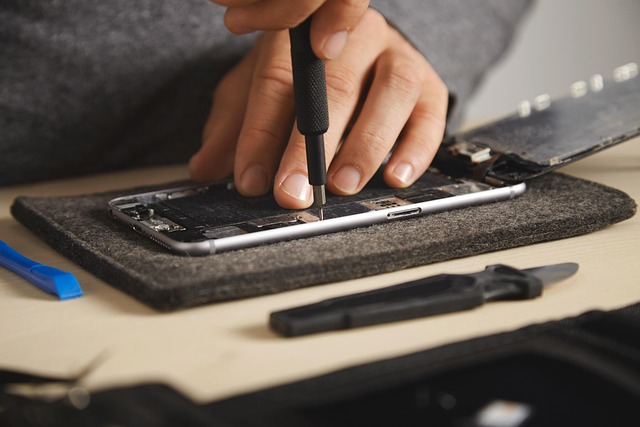
For seamless Furniture Disassembly and Reassembly in San Francisco, professionals rely on a comprehensive toolkit tailored for complex tasks. Essential tools include specialized screws drivers, Allen keys, bubble wrap, and protective blankets to safeguard surfaces during transport. Advanced tools such as electric screwdrivers and impact drivers significantly expedite disassembly and reassembly processes, reducing labor costs and potential damage. Additionally, measuring tapes, laser levels, and level-bubbles ensure accurate furniture positioning and alignment upon arrival at the new location.
Practical insights from industry experts highlight the importance of planning and preparation in Furniture Disassembly and Reassembly. Proper labeling of disassembled components, careful documentation of hardware placements, and secure packaging are vital steps to streamline reassembly. Regular training sessions and adherence to safety protocols for both technicians and furniture ensure optimal results. San Francisco’s residents can expect smoother moves by engaging professional services that prioritize efficient tools, expert techniques, and meticulous planning in the furniture reassembly process.
Step-by-Step Disassembly: Protecting Your Valuables During Transit

When preparing for an apartment move in San Francisco, meticulous furniture disassembly and reassembly is a critical component of ensuring your belongings arrive safely at their new destination. The vibrant furniture scene in this bustling metropolis means many residents own unique, valuable pieces—protections that require specialized care during transit.
The process begins with a thorough assessment of each piece, identifying removable parts and components. Everything from bookcases to dining tables can be disassembled, often revealing hidden compartments or modular designs. For instance, a wooden coffee table might separate into legs, a tabletop, and drawers, while a bookshelf could detach into shelves, posts, and braces. Understanding the specific furniture disassembly techniques for each item is key; some pieces may require specialized tools or knowledge to safely take apart without damage.
Protecting valuables during transport necessitates proper wrapping and padding. Each component should be individually wrapped in bubble wrap, paper, or foam, securing it within its protective covering. For instance, delicate glass shelves can be wrapped in multiple layers of packing paper before being placed inside a box, minimizing the risk of breakage during handling. Similarly, wooden pieces benefit from cotton or burlap covers to prevent scratches and nicks. In San Francisco, where apartment spaces vary in size, efficient disassembly allows for more manageable moving boxes, reducing the chance of damage and making reassembly at the new location smoother. Data from local movers indicates that proper furniture disassembly can reduce the risk of damage by up to 40%, showcasing its vital role in a successful move.
Reassembly requires careful planning and attention to detail. Creating detailed documentation during disassembly—marking each part with its corresponding location—streamlines the process. When moving back into your San Francisco apartment, follow these steps: verify that all parts are present, lay out the components, refer to your notes or original packaging for reassembly instructions, and secure each piece firmly in place. Proper furniture disassembly and reassembly is an investment in safeguarding your valuables, ensuring a smoother transition to your new living space.
Efficient Storage and Organization Techniques for Apartment Relocations
When relocating to a smaller space, efficient storage and organization are paramount for a smooth transition. Furniture disassembly and reassembly plays a pivotal role in maximizing every inch of your apartment, especially in bustling cities like San Francisco where real estate is precious. Many residents opt to handle this process themselves to save costs, but proper guidance is essential. A well-planned disassembly strategy can transform your move from stressful to manageable.
Start by assessing each piece of furniture: identify removable parts, hinges, and disassembly tools required. In San Francisco, where space optimization is a way of life, creative solutions are key. For example, bed frames with adjustable height settings allow for versatile storage options. Bookshelves can be converted into vertical storage units by adding sliding baskets or hooks. Tables with detachable leaves provide flexible seating and dining arrangements. Expert advice suggests documenting each step of disassembly with photographs to ensure a seamless reassembly later.
Organizing your furniture components requires careful planning. Dedicate specific bags or containers for different parts, clearly labeling them. Consider using stackable bins or vacuum-sealed bags to save space during transit. In San Francisco’s compact apartments, vertical storage is crucial. Utilize empty walls by installing floating shelves or ledges to display and store items efficiently. Under-bed storage containers are another practical solution, allowing you to utilize the often-overlooked space beneath your mattress. By employing these techniques, residents can not only streamline their move but also create a more organized and functional living environment.
Reassembling with Precision: Restoring Your Space in San Francisco
In San Francisco, where space is a precious commodity, apartment moves often require intricate planning, especially when it comes to furniture. Reassembling furniture after disassembly is a crucial step in ensuring your new living or working space functions seamlessly. This process demands precision and expertise, particularly in compact urban environments like the city’s diverse neighborhoods. Furniture Disassembly and Reassembly in San Francisco has evolved into an art, requiring skilled professionals to navigate the challenges posed by the unique architecture and limited floor plans of many local residences.
The meticulous task involves not just reassembling pieces but also restoring them to their original condition or even enhancing their aesthetic appeal. San Francisco’s diverse population and cultural scene have fostered a demand for versatile furniture that can adapt to various styles and spaces. Experts in the field must possess a deep understanding of different furniture designs, from vintage to modern, to ensure each piece is restored with care and accuracy. For instance, reassembling a vintage wooden dining set may involve sourcing specific hardware or refinishing techniques to match the original character of the apartment.
Precision during reassembly is paramount to avoid damage not only to the furniture but also to the walls, floors, and other fixtures. Professional furniture movers in San Francisco often employ specialized tools and techniques tailored to different types of furniture. They follow strict protocols to disassemble and reassemble pieces safely, minimizing the risk of scratches, dents, or structural damage. For those planning a move, engaging such experts can be invaluable, ensuring your furniture arrives at its new location intact and ready for placement in your San Francisco abode.
By mastering effective furniture disassembly and reassembly techniques for apartment moves in San Francisco, you can significantly streamline relocation processes. Planning ahead with a strategic disassembly approach ensures the safe transport of valuable pieces while optimizing storage efficiency during transit. Understanding the unique challenges of apartment relocations, such as navigating tight spaces and managing limited access, is crucial. This article has provided comprehensive guidance on tools, step-by-step procedures for disassembly and protection of furniture, and precise reassembly techniques tailored to San Francisco’s distinct housing landscape. Armed with these insights, you’re now equipped to handle apartment moves with confidence, ensuring your precious furniture arrives safely and your new space is restored to its former glory.