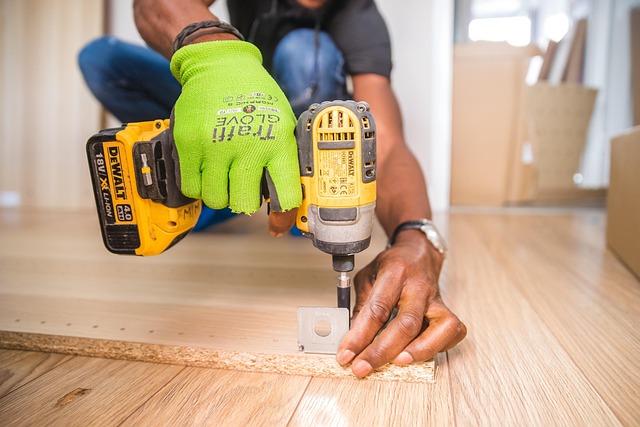
San Francisco leads sustainable urban living through advanced Furniture Disassembly and Reassembly techniques. Specialized companies reduce landfill waste by up to 80%, rescue up to 90% of furniture components, and foster a circular economy. Businesses and residents minimize resource extraction, conserve materials, and decrease carbon footprints by adopting these practices, promoting the city's commitment to zero waste.
In the bustling urban landscape of San Francisco, responsible furniture disposal and reassembly has emerged as a critical aspect of sustainable living. The city’s dynamic nature demands efficient solutions for managing end-of-life furniture, minimizing waste, and promoting recycling. This article delves into the intricacies of green furniture disposal and reassembly practices specifically tailored to San Francisco. We explore innovative strategies that not only address the environmental impact but also contribute to a circular economy, ensuring that old furniture finds new life while reducing our collective carbon footprint.
- Understanding Green Furniture Disassembly in San Francisco
- Efficient Reassembly: A Guide for Eco-Conscious Residents
Understanding Green Furniture Disassembly in San Francisco

In the vibrant city of San Francisco, understanding green furniture disassembly and reassembly is not merely an eco-conscious choice but a strategic imperative for businesses and residents aiming to minimize their environmental impact. This process involves the careful deconstruction and subsequent repurposing or recycling of furniture items, significantly reducing waste that would otherwise end up in landfills. According to recent data from the San Francisco Department of Environment, proper furniture disposal methods can cut down waste streams by up to 80%, contributing substantially to the city’s ambitious zero-waste goals.
San Francisco’s commitment to sustainable practices has fostered a robust network of companies specializing in green furniture disassembly and reassembly. These experts leverage specialized techniques and tools tailored for various furniture types, ensuring that materials are preserved and reused efficiently. For instance, a local startup has reported that through their innovative disassembly methods, they can rescue up to 90% of a typical office’s outdated furniture components, diverting them from incineration or burial. This not only saves valuable resources but also creates opportunities for upcycled products, enhancing the circular economy within the city.
Businesses in San Francisco are increasingly recognizing the benefits of adopting green furniture disposal and reassembly practices. By partnering with local experts, companies can streamline their relocation or renovation processes while aligning with sustainability goals. For example, a tech startup recently relocated its headquarters, opting for professional disassembly to ensure that their custom-made furniture was deconstructed without damaging the unique pieces. The reclaimed materials were then used to create new office accessories, reducing the need for primary resource extraction and further solidifying San Francisco’s reputation as a leader in sustainable urban living.
Efficient Reassembly: A Guide for Eco-Conscious Residents

In San Francisco, eco-conscious residents are increasingly recognizing the environmental impact of furniture disposal and assembly practices. Efficient Furniture Disassembly and Reassembly plays a pivotal role in reducing waste, conserving resources, and minimizing carbon footprint. This process involves carefully deconstructing old pieces for recycling or repurposing, while assembling new ones from sustainably sourced materials. For instance, San Francisco’s Department of Public Works reports that proper furniture disposal can divert up to 80% of household waste from landfills, showcasing the significant environmental benefits of responsible practices.
Expert furniture disassembly and reassembly services in San Francisco offer a wealth of practical insights. Professional teams are equipped with specialized tools and expertise to handle diverse furniture types, ensuring safe and efficient disassembly. They promote the use of recycled materials and eco-friendly finishes, aligning with the city’s commitment to sustainability. For example, local companies like Green Disassembly Services have successfully disassembled thousands of pieces, diverting materials from landfills and redirecting them for new uses. This not only reduces waste but also conserves valuable resources like wood, metal, and glass.
To facilitate efficient reassembly, residents should prioritize purchasing furniture designed for easy disassembly and made from sustainable materials. Many modern manufacturers offer modular designs that simplify the process. Additionally, enlisting professional help during moves or renovations can significantly streamline furniture disposal and reassembly, ensuring proper handling and maximizing recycling potential. By adopting these practices, San Francisco residents can contribute to a greener city while creating functional, eco-friendly living spaces.
Green Furniture Disposal and Reassembly in San Francisco offers a comprehensive framework for eco-conscious residents to navigate sustainable practices. By understanding the intricacies of furniture disassembly and reassembly, individuals can significantly reduce their environmental impact. This article has highlighted the importance of responsible disposal methods, emphasizing that it’s not just about recycling but also repurposing and upcycling materials. The efficient reassembly guide provides practical steps for disassembling and reassembling furniture, ensuring longevity and minimizing waste. Key takeaways include recognizing local resources for eco-friendly materials, embracing DIY approaches, and promoting a circular economy. Residents are encouraged to take proactive measures, such as organizing community workshops or adopting a “repair and reuse” mindset, to contribute to San Francisco’s sustainable future. This authoritative guide equips readers with the knowledge to make informed decisions, fostering a culture of responsible furniture management.